What is Plastic?
Plastics consist of polymers or long molecules repeated over and over again, forming a long bonded chain. The shape of the polymer gives the plastics their flexibility and malleability. Historically, plastics were derived from rubber, cellulose and keratin, but now plastic is derived from fossil fuels, like synthetic crude oil.
Who Invented Plastic?
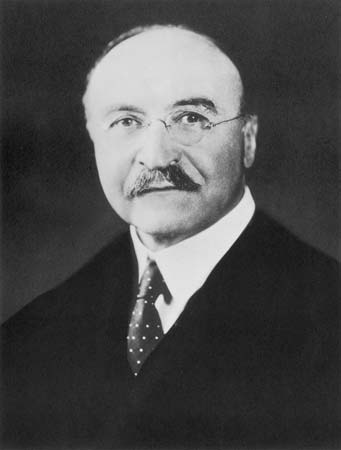
LEO BAEKELAND
In 1907 Leo Baekeland used coal tar to create phenol, which he developed into the very first synthetically derived plastic from fossil fuels. Baekeland used the plastic within radio and telephone casings and electrical insulators because of its non-conductive and heat-resistant properties.
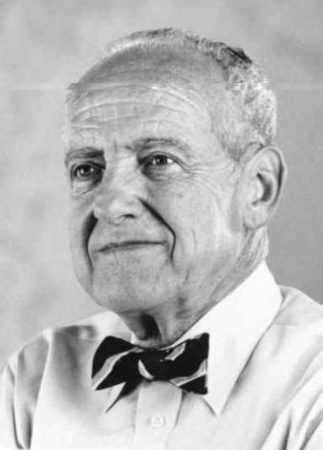
NATHANIEL C WYETH
By the beginning of the 1930s, manufacturers created polystyrene (Styrofoam), polyester, polyvinylchloride (PVC), polythene and nylon. In 1941, DuPont engineer Nathaniel Wyeth invented polyethylene terephthalate (PET) now commonly used in plastic bottles.
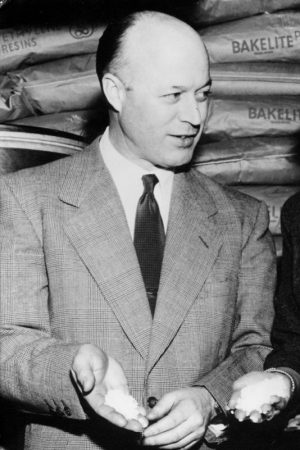
EARL TUPPER
While working at DuPont Chemical, Earl Tupper refined an inflexible polyethylene waste product into lightweight, non-breakable containers. In 1948 Tupper released Tupperware branded products and fostered the growth of his products through branded Tupperware Parties.
Factors Leading to the Rise in Plastic Industry
A shortfall in rubber and other natural materials during WWII spurred demand for synthetic materials.
After WWII, a surplus of synthetics and fossil fuels caused companies to create new markets for plastics.
Increased production reduced costs making synthetic plastics more competitive than naturally-derived plastics.
Plastic Pollution Problems

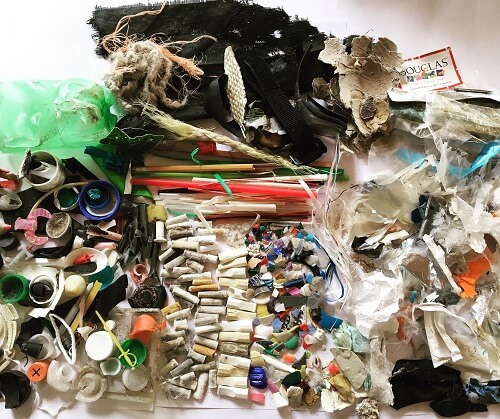
When plastic is not recycled or does not make it to the landfill, it ends up in our waterways like creeks and rivers, which flow to lakes and oceans. Plastic bits break apart as seen in the green soda bottle in the top left corner.
They break into smaller pieces, but never fully degrade. Instead, they wash up on our shores, get caught in one of the 5 Oceanic Gyres or end up in the stomach’s of fish and in turn our own stomachs.
We manufacture single-use plastics with the intention of the product lasting forever. And it does.
Plastic never entirely disappears, instead, it breaks down into smaller micro-plastics.
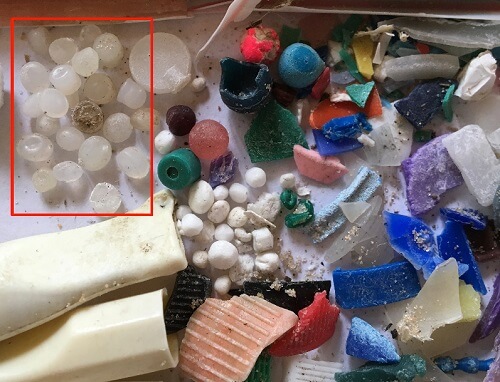
Plastic pellets (commonly polyethylene or polypropylene plastics), also known as Nurdles (see red box), are the precursor to plastics. These pellets are manufactured then shipped to injection molding manufacturing facilities where they are molded to shape. Oftentimes containers of these pellets will fall overseas, entering our waterways before they are a useful product.

Eventually, the microplastics become so small, they are nearly impossible to see (see the red boxes). When not recycled, most plastics miss the landfill and pollute our oceans. When the plastics become microplastics, zooplankton, shrimp and other oceanic life eat the plastics.
When those species are eaten by other fish or humans, the plastic bioaccumulates in its prey’s body. This includes the fossil fuels, plastizers, colorants and other chemicals compounded within that tiny microplastic.
Plastic Pollution Solutions
Educate yourself on recycling in your community and do it!
The triangle with the number in it explains the type of plastic it is. It does not always mean it is recyclable in your town.
Recycle correctly.
Do not put your recycling in plastic bags, recycling facilities will immediately divert those to the landfill.
Bring your own bags to the grocery.
If you forget, ask for paper. If they don’t have paper, reuse the plastic bags or recycle them at the grocery store.
Say no straw please!
Seriously. They are pretty unnecessary.
Buy a reusable water bottle.
Save money! Drink tap water or filtered tap water.
Use reusable cutlery.
Use silverware or bamboo cutlery by To-Go Ware!
Change your cosmetic consumption.
Use bar soap and refill your shampoo and conditioner at local co-op groceries.