What is Sustainability?
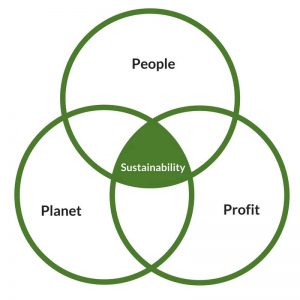
Sustainability is the ability of life to be supported through eternity while living in the present but making decisions in consideration of future generations. It is monitoring our environmental and social environments but progressing economically. For businesses, a common reference to sustainability is considering and maintaining a “Triple Bottom Line.”
What is the Triple Bottom Line?
The Triple Bottom Line is a business term used for considering social, environmental and economic impacts. In the past, businesses and governments have only accounted the economic impact as a measure of success. This is largely based on the common measurement of welfare in terms of GDP (Gross Domestic Product). GDP does not account for social or environmental impacts; however, these are both essential in maintaining an efficient business and directly impact the revenues and net profit of businesses.
For example, monitoring and caring for social impacts improves office productivity. Simultaneously, environmental impacts can alter supply and quality of products produced. Including social and environmental impact in a Triple Bottom Line approach can improve business performance. It can also fully account for business practices, including externalities.
What are Externalities?
Externalities are side-effects of commercial activity and are rarely accounted in business practices, unless companies practice a Triple Bottom Line approach. However, externalities can create an enormous impact, and are often negative.
Historically, our economic approach has not included the cost of externalities. This creates misrepresented pricing, sub-par business practices and surplus extraction.
Sustaining Life
To live within our current means, one planet Earth will not sustain us; therefore, it is essential for businesses to monitor their Triple Bottom Line and the broader population to practice sustainable living. As a group, we must realize this and take steps to reduce our impact.
How to Practice Sustainability
- Educate yourself and others on social and environmental impacts. Find out more about sustainability issues in our blog.
- Engage your community and volunteer at events.
- Audit your waste stream and take steps to improve it, like refusing single-use plastics!
- Vote with your wallet by purchasing products with sustainably-sourced materials. Find some of these products in our marketplace!
The more that consumers demand sustainable products and express the importance of sustainability in their purchasing decisions, the more companies will transition to producing these products.
Learn more about particular impact areas using the links below
Chemurgy

Fresh Water

Oceans

Plastics
Dig Deeper into Sustainability Topics
Kentucky Stops Sucking. Will You?
Will You Stop Sucking? A couple years ago, I made an annoying decision. I decided to stop sucking. It was by no means an annoyance…

My Big Gigantic Inspiration
When I left Monterey, California after graduate school I wanted to continue my journey, opening my arms to the world while working on environmental projects…
Just Five Minutes Could Change Your Life
In February, some of my best friends and I submitted a “less than five minute video” for Electric Forest Music Festival’s Monarch Program explaining how…

Reduce Your Plastic Consumption!
Want to reduce your plastic consumption but think it is too hard? Or maybe you don’t know where to start! Start with one-use plastic– like…

Alberta Oil Sands
When I was studying hemp in Alberta, Canada I took the liberty to drive up to the infamous Alberta Oil Sands so that I could…

LEGO Searches for Sustainable Material Replacement, HEMP is the Answer
LEGO’s Big Accouncement In June LEGO announced an investment of USD$150 Million towards research for a more sustainable plastic replacement for its famous LEGO blocks and…
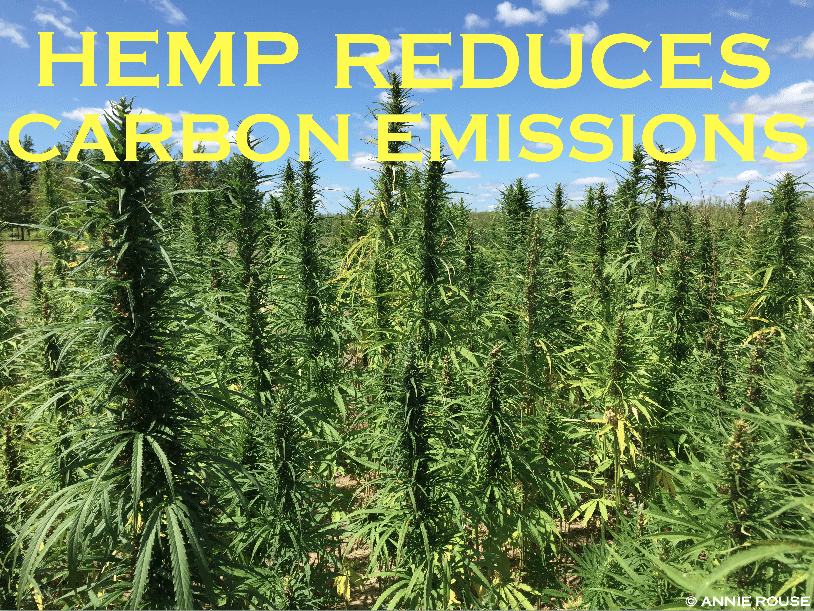
Hemp Reduces Carbon Emissions
The 2015 United Nations Climate Change Conference has kicked off in Paris, with leaders from the heaviest emitters to those with the smallest impacts participating…