Chemurgy is Chemical Manufacturing
Chemurgy (Kem-urgy): The concept of using agricultural waste for productive and useful forms like industrial products, while transitioning wasted factory laborers to farm laborers.
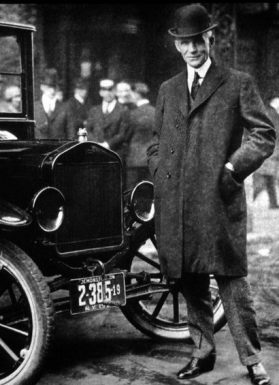
HENRY FORD
FOUNDER OF FORD AUTOMOTIVE
Henry Ford offered innovative solutions to modern industry. He organized the National Chemurgic Council meeting at his ‘campus’ in Dearborn. His intrigue in natural materials like trees, grass and soybeans created a framework for chemurgic research and organic chemistry.
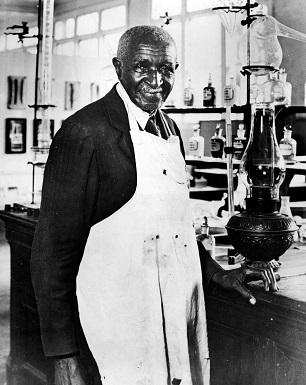
GEORGE WASHINGTON CARVER
SCIENTIST, RESEARCHER AND INVENTOR
George Washington Carver was considered the “Father of Chemurgy.” His inquisitions into natural products, close friendship with Henry Ford and abhorrence for waste sparked the Chemurgic movement. His research into chlorophyll, soybeans and peanuts changed the world.
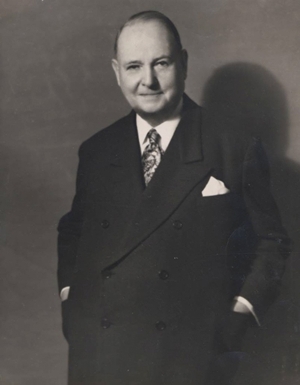
DR. WILLIAM J. HALE
AUTHOR, THE FARM CHEMURGIC
Dr. William J. Hale coined the term chemurgy. The word stemmed from “metallurgy,” a popular term for extracting metals from ore. Conversely, Chemurgy was the term used for chemically manufacturing useful products from natural operations like soil, air, sun, moisture and micro-organisms.

America’s Economic Troubles
Ford, Carver and Hale all lead the Chemurgic movement, but several more participated. One of the main attractions to chemurgy was to create economic growth during the Great Depression. At the time American Farmers were experiencing great losses.
Prior to and during the 1930s…
Chemurgy: An Efficient Economic Solution
Chemurgic thought-leaders realized the inefficiencies between agricultural waste on the farms and labor waste in factories. They believed it was an enormous human problem that could easily be solved by using the waste for products like:
- oils, paints & dyes
- mats & rugs
- gums & waxes
- plastics
Using agricultural waste would create a new market for the surplus crops while providing more jobs for Americans during the Great Depression and increasing the incomes of half of the U.S. population.
To Chemurgist, this option was far better than the options laid out in the 1933 Agricultural Adjustment Act, which included soaking foods in kerosene and paying farmers to reduce production.
National Chemurgic Council
By 1935 Chemurgist leaders organized the National Chemurgic Council. Henry Ford hosted its First Dearborn Conference of Agriculture, Industry, and Science attracting over 300 attendees of leading industry scientists and researchers to “explore ways of using agricultural crops in non-food industrial products.” These crops included soybeans, corn, hemp and more.
Simultaneously, scientific breakthroughs were providing a better understanding of chlorophyll, cellulose and organic chemistry in general. It was a race to find the best raw materials for innovative products. Timing was everything.
While DuPont had interest in Chemurgy, the company decided against agricultural crops. Instead they derived cellulose from Southern Pine trees, Douglas Fir trees, and Western Hemlocks. This cellulose would soon be used to manufacture a synthetic fiber known as nylon.
Prior to and during the 1930s…
The Soybean Car
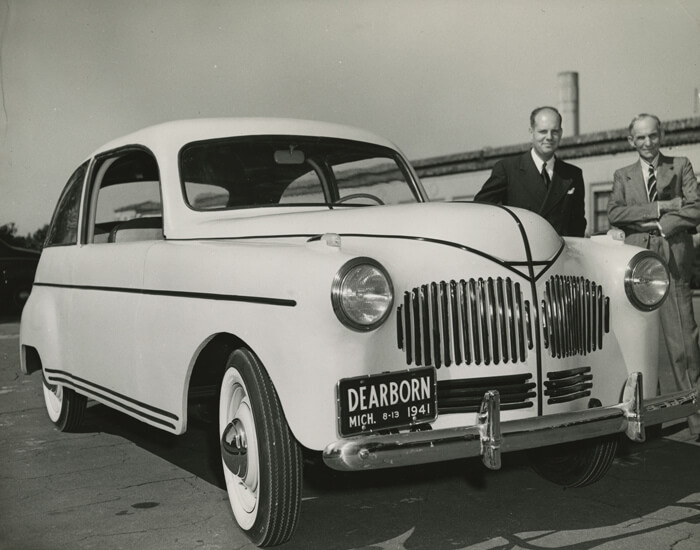
DuPont’s decision did not sway Ford or Carver’s opinion. The two obsessed over efficiency and continued to research and innovate agricultural feedstocks to replace industrial materials. By 1942 Henry Ford released The Soybean Car. The car used a soybean frame instead of a steel frame. It was half the weight of a steel-framed car of similar style.
Unfortunately, the car’s existence was short-lived. WWII struck soon after its release and all materials shifted towards fulfilling military demands. DuPont and petroleum-based companies increased production to meet demands, while the USDA issued their Hemp For Victory campaign.
By the end of WWII George Washington Carver had passed away and Henry Ford’s health was deteriorating. Their research established essential data and patents for multiple areas, but their chemurgic world fell apart at the hands of the Synthetic Revolution.
Synthetic Revolution
After WWII, similar to WWI, companies experienced demand shocks but this time the shocks were in factories and mines, not farms. Manufacturers like DuPont and the Standard Oil Trust (Exxon, Chevron, Mobil, Amoco, Conoco, ARCO, Sohio) had increased production to meet war demands.
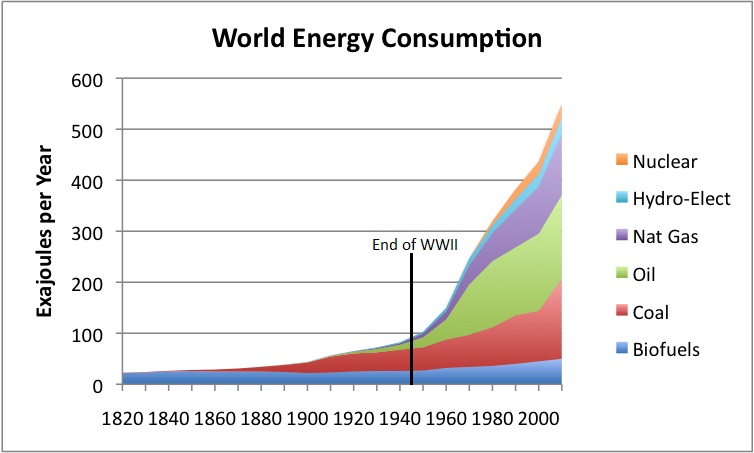
After WWII ended, the companies were oversupplied, so they built new markets, like single-use plastics. Simultaneously, Americans moved from farms to urban areas and the U.S. became the world power while experiencing enormous economic growth spurred by the Synthetic Revolution.
The petrochemical age exploded leading America into dominance and the Chemurgic Movement faded with the memories of Ford and Carver. The Soybean Car was later destroyed and the design and material composition were lost.
Natural Revolution
The terminology for Chemurgy may have faded with the Synthetic Revolution, but the concept is revived with the Natural Revolution. With deforestation rates at all time highs, plastic bits contaminating our oceans and food chains, and a growing understanding of the negative effects of burning fossil fuels, our world economy prepares for alternative solutions.
Over time innovation has allowed us to harness the power of the sun for renewable energy reducing demand on fossil fuels. Because of Henry Ford and George Washington Carver’s breakthroughs in soybeans, we now use it (and corn) for bioplastics (although this supply needs to grow). In addition, advances in bast fiber research, like bamboo and hemp, have started to reduce demand on wood-based products.